


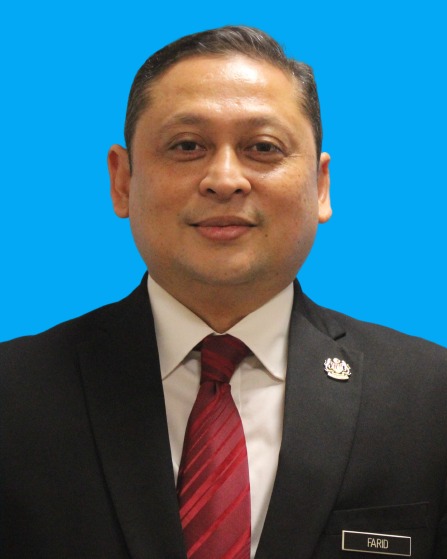
Background
The history of the establishment of the K-Economy Division (BKE), previously known as the K-Economy Section (SKE), is the result of the restructuring process of the Assessment Unit, Macroeconomic Section, Economic Planning Unit, Prime Minister's Department (EPU, JPM) in 2007. Initially, BKE functioned to implement/create a conducive socio-economic development ecosystem based on knowledge and utilising Information and Communication Technology (ICT). Later, the role of BKE was expanded with the addition of policy functions related to the transformation of public service delivery following the preparation of the Mid-Term Review of the Ninth Malaysia Plan (KSP RMK9) in 2008. In line with the changing megatrends and globalization, the role of BKE as a group of strategic planners for the knowledge-based economy is increasingly expanding as a catalyst for changes in the country's digitalisation policy and the digital economy in line with the explosion of the 4.0 Industrial Revolution (4IR). BKE will remain intact and adaptive in steering knowledge-based economic innovation, especially to the national digitalisation agenda towards the transformation of the public service landscape and a sustainable national digital economy..
Objectives
The K-Economy Division (BKE) is responsible as the strategic planning division regarding the digitalisation agenda and public service delivery at the national level to achieve the following objectives:
- Implement comprehensive socio-economic development planning towards sustainable and inclusive growth;
- Optimising the use of financial resources through effective distribution of development allocations;
- Implement outcome-based monitoring and evaluation of development policies, programs, and projects; and
- Facilitate dealings with stakeholders.
Main Functions
- Strategic Planning for Knowledge-Based/Digital Socio-Economic Development :
- Formulate socio-economic development policies related to the digitalisation agenda and public service delivery at the national level.
- Conduct knowledge-based/digital research.
- Play a role as a strategic planner and advisor to the Government on knowledge-based socio-economic affairs and digitalisation.
- Conduct impact studies related to knowledge and digital empowerment as well as specific issues that can be used to support the country's socio-economic growth.
- Provide comments/feedback/input for the Cabinet Meeting, National Economic Action Council, MED4IR (Government Cluster and Economic Cluster) concerning the digitalisation agenda and public service delivery at the national level.
- Provide comments/feedback/input concerning economic reports from international bodies such as the Asian Pacific Economic Co-operation (APEC), Organisation for Economic Co-operation and Development (OECD), World Bank, United Nations and International Monetary Fund (IMF) on the digitalisation agenda and delivery of public services at the national level.
- Strengthening inclusive development plans, including strengthening the poverty eradication agenda through the implementation of the IPR-BMT for the state of Melaka.
- Distribution of Allocation Resources
- Plan and evaluate the distribution of ceiling allocations and costs as well as monitor the implementation and expenditure of development projects related to the digitalisation agenda and public service delivery at the national level.
- Conducting an assessment of development projects related to the digitalisation agenda and public service delivery at the national level that cost more than RM50 million in the Value Management Laboratory (VM Lab).
- Implementation, Coordination and Monitoring of Socio-Economic Development Policies
- Monitor the progress of national-level ICT development and digitalisation programs, initiatives and projects, especially under the Ministry of Communications, the Ministry of Digital and the Public Service Department.
- Assess, coordinate and monitor inclusive development, including strengthening the agenda for eradicating extreme poverty at the state level.
- Facilitate Stakeholder Engagement
- Become a focal point to coordinate and facilitate matters related to the digital economy and digitalisation of public services at the national level.
- Plan and implement knowledge-based and digital strategic planning capacity development courses for all ministry staff annually.
- Implement medium-term policy planning at the national level through the preparation of a high-quality Five-Year Malaysia Plan (RMLT) and implementing the RMLT Mid-Term Review to assess the success of the initiatives outlined through a nationwide approach according to the set schedule.
- Plan, evaluate and approve annual development allocation proposals for programs and projects that have been approved under the Five-Year Development Plan and Rolling Plan according to the set schedule.
- Provide a memo notifying project changes within 14 days subject to complete application documents.
- Provide comments/feedback/input for the Cabinet Meeting, National Economic Action Council, MED4IR (Government Cluster and Economic Cluster) according to the set schedule.
- Provide comments/feedback/input regarding economic reports from international bodies such as the Asian Pacific Economic Co-operation (APEC), Organisation for Economic Co-operation and Development (OECD), World Bank, United Nations and International Monetary Fund (IMF) according to the set schedule.
- Assess and process complete applications for the People's Income Initiative - Extreme Poverty Eradication (IPR-BMT) program in the state of Melaka before being presented for approval by the Project Application Evaluation Committee (JNPP) at the ministry's highest management level.
-
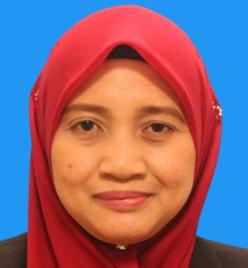
PN. AMINAH BINTI SAKIP
PERSONAL ASSISTANT TO DIRECTOR 0380902721 aminah.sakip@ekonomi.gov.my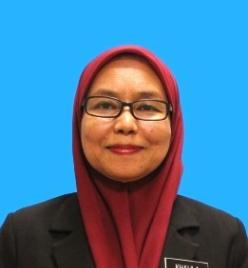
PN. KHALILASALWA BINTI SALLEH
DEPUTY DIRECTOR 0380902722 salwa.salleh@ekonomi.gov.my
EN. MUHAMMAD SAIFULLAH BIN KAMARUZAMAN
PERSONAL ASSISTANT TO DEPUTY DIRECTOR 0380902723 alina.zalmi@ekonomi.gov.my
CIK SANDRA CH’NG ZHIA LIIN
PRINCIPAL ASST. DIRECTOR SERVICE DELIVERY TRANSFORMATION 0380902729 sandra.chng@ekonomi.gov.my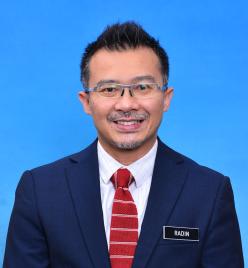
EN. RADIN SHAH IZUAN BIN MOHD HAMBALI
PRINCIPAL ASSISTANT DIRECTOR DIGITAL STRATEGIC 0380902730 radin.hambali@ekonomi.gov.my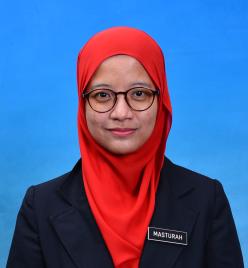
CIK MASTURAH BINTI MA'AROF
PRINCIPAL ASST. DIRECTOR – DIGITAL CONTENT AND CYBER SECURITY 0380902728 masturah.maarof@ekonomi.gov.my -
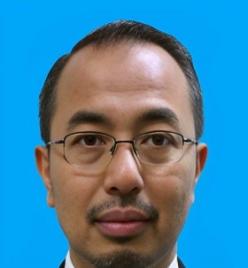
PN. JOANITA BINTI SULAIMAN
PRINCIPAL ASSISTANT DIRECTOR – DIGITAL INDUSTRY 0380902726 azhar.isa@ekonomi.gov.my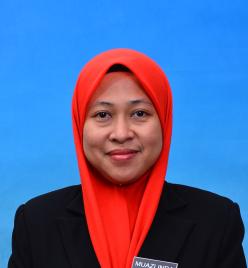
PN. MUAZLINDA BINTI MUTALIB
PRINCIPAL ASSISTANT DIRECTOR - GOVERNANCE 0380902725 muazlinda.mutalib@ekonomi.gov.my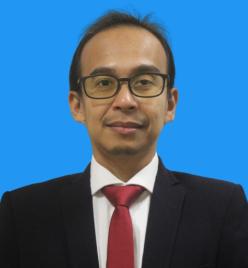
EN. SYAHMI AMRI BIN MAT NEPA
PRINCIPAL ASST. DIRECTOR – DIGITAL INFRASTRUCTURE 0380902736 syahmi.mat@ekonomi.gov.my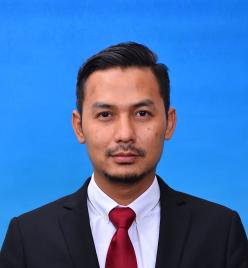
EN. SUHAIDI BIN AMIN
PRINCIPAL ASST. DIRECTOR – DIGITAL INFRASTRUCTURE 0380902732 suhaidi.amin@ekonomi.gov.my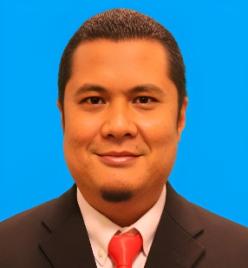
VACANT
ASSISTANT DIRECTOR – DIGITAL CONTENT AND CYBER SECURITY 0380902724 fahmi.ruslan@ekonomi.gov.my
EN. MOHAMMAD SARIMIE NURUL NIZAM BIN SHAMSHIR KHAN
ASSISTANT DIRECTOR - GOVERNANCE 0380902731 @ekonomi.gov.my -
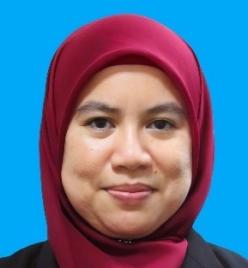
VACANT
ASSISTANT DIRECTOR SERVICE DELIVERY TRANSFORMATION 0380902734 zulaila.sulleman@ekonomi.gov.my
EN. ARIVANANTHAN A/L KANAKASUNDAR
ASSISTANT DIRECTOR - DIGITAL INDUSTRY DEVELOPMENT 0380902735 arivananthan.k@ekonomi.gov.my
CIK KHAIRUNNISA AQILAH BINTI RAMLI
ASSISTANT DIRECTOR DIGITAL STRATEGIC 0380902737 @ekonomi.gov.my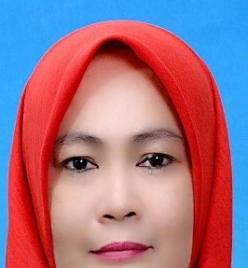
PN. NIK ZAWATI BINTI NIK MOHAMAD
SENIOR ADMINISTRATIVE ASSISTANT 0380902738 zawati.mohamad@ekonomi.gov.my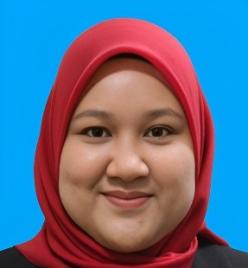
VACANT
ADMINISTRATIVE ASSISTANT 0380902739 haziqah.halim@ekonomi.gov.my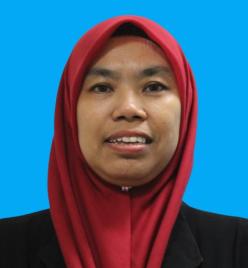
PN. SURIANI BINTI SHAHAR ZAMAN
ADMINISTRATIVE ASSISTANT 0380902740 suriani.shahar@ekonomi.gov.my -
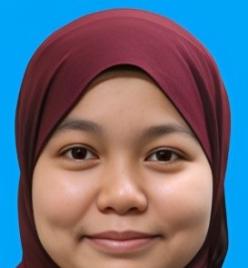
MS. SITI NUR AQILAH BINTI MIOR HASHIM
MYSTEP (STRATEGIC DIGITAL) 0380902742 nabilah.norfadli@ekonomi.gov.my
EN. LIM SHANG JIE
MYSTEP (DIGITAL INDUSTRY DEVELOPMENT) 0380902743 lim.shangjie@ekonomi.gov.my
MS. SITI NURFATEEHA BINTI MOHAMAD ARIF
MYSTEP (PEMBANGUNAN KANDUNGAN DIGITAL DAN KESELAMATAN SIBER) 0380902731 amin.mahfar@ekonomi.gov.my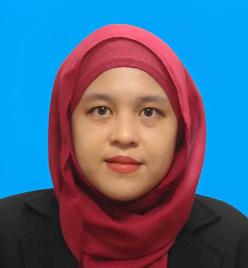
CIK NUR AJLAA BINTI AHMAD
MYSTEP (SERVICE DELIVERY TRANSFORMATION) 0380902733 ajlaa.ahmad@ekonomi.gov.my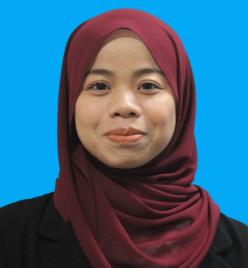
CIK NURUL SYAZLEENA BINTI BADROL
PRINCIPAL ASST. DIRECTOR – DIGITAL INFRASTRUCTURE 0380902724 syazleena.badrol@ekonomi.gov.my
PN. NUR SABRINA BINTI NOOR AZMI
MYSTEP (STRATEGIK DIGITAL) 0380902741 sabrina.azmi@ekonomi.gov.my -
MS. FARHANA HAZWANEE BINTI SAMION
OPERATIONAL ASSISTANT 0380902741 @ekonomi.gov.my
Contact Us
Director
K-Economy Division
Ministry of Economy
Aras 1, Kuadran 4, Menara Prisma
No. 26, Persiaran Perdana, Presint 3
Pusat Pentadbiran Kerajaan Persekutuan
62675 Putrajaya
No. Tel. : 03-80902720