


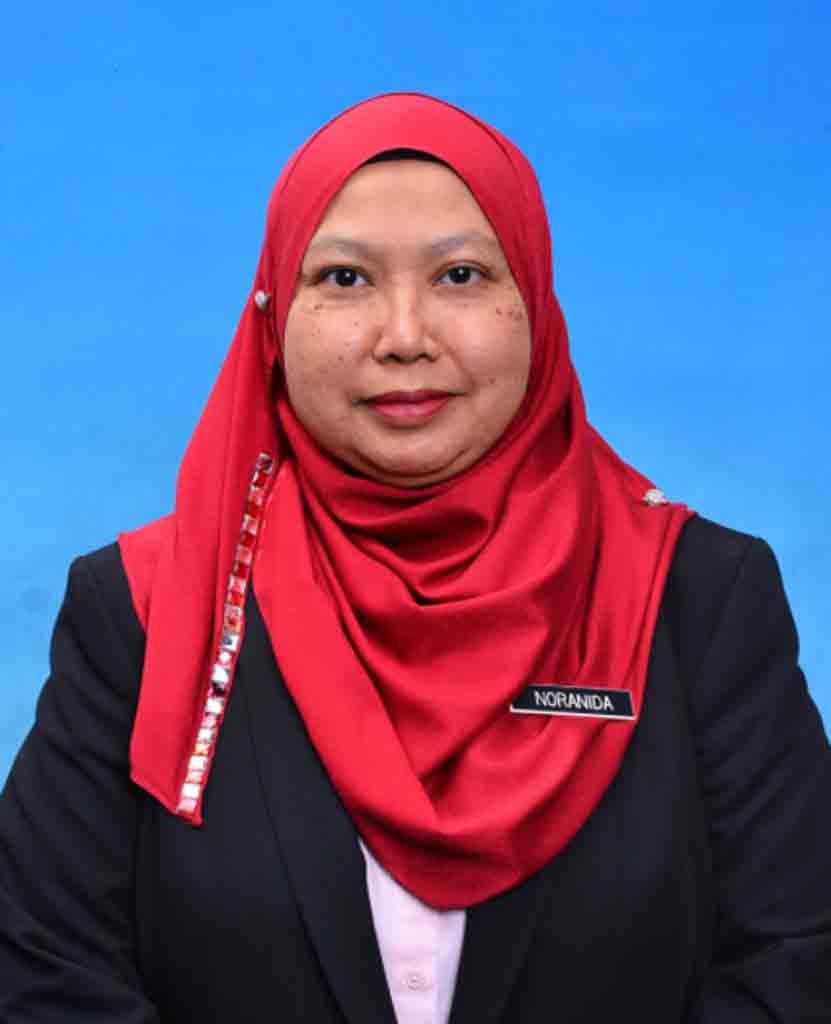
DR. NORANIDA BINTI ZAINAL
DIRECTOR
Background
The Environmental and Natural Resources Economic Division, or SEASSA, is a section established under the A106 and A110 warrant decisions of the Public Service Department (JPA) effective June 2003, under the Macro Planning Division, Economic Planning Unit. Previously, SEASSA was one of the sub-sections of the Regional and Environmental Economics Section (SEW&AS).
Sustainable development involves socio-economic development that has minimal impact on the environment, utilizing resources optimally to ensure the rights of future generations. Therefore, the establishment of SEASSA is to ensure the planning of sustainable socio-economic growth through the formulation of balanced and effective policies and development plans, considering the three dimensions of sustainable development—economy, society, and the environment. This is to support the achievement of the country’s developed nation status by 2020, while simultaneously ensuring emphasis on economic growth that guarantees continuous good environmental quality and a clean, healthy, and safe environment for the people. SEASSA acts as a focal point in the Economic Planning Unit (EPU) in promoting sustainable growth through a green growth approach, ensuring all economic sectors consider environmental interests, the sustainability of natural resources, and resilience in their planning.
Furthermore, SEASSA also evaluates the needs and effectiveness of, and monitors the implementation of, development projects to ensure they meet the objectives of the country’s sustainable development. To support the initiatives of ministries/agencies, SEASSA takes a proactive role, especially in conducting strategic studies that can steer the country towards sustainable development and subsequently strengthen institutions and capacities to address environmental issues at the national and international levels. To ensure SEASSA’s roles and responsibilities are carried out efficiently and effectively, the SEASSA organizational structure is divided into five main sub-sectors as follows:
- Environmental Management;
- Natural Resource Management;
- Water Resource Management;
- Land Management, Boundary Survey, and Marine;
- Sustainable Development
Objectives
- Achieve effective environmental protection goals by promoting the optimal use of natural resources and reducing the negative impact of development activities on the environment;
- Create a mix of policies, practices, and technologies that ensure socio-economic development that considers environmental protection interests;
- Enhance the use of fiscal policies and promote the use of market-based instruments;
- Strengthen related institutional, legal, and regulatory mechanisms to integrate environmental considerations in development planning and address environmental issues and resource distribution;
- Monitor and participate in international environmental negotiations to ensure the country's interests are not compromised;
Main Functions
- Monitor and facilitate the implementation of natural resource and environmental development projects involving the Ministry of Water, Land, and Natural Resources (KATS), Ministry of Energy, Science, Technology, Environment, and Climate Change (MESTECC);
- Promote and develop policies/plans/programs related to environmental economics and natural resources to align with sustainable development objectives;
- Conduct studies on economic instruments related to the environment and natural resources to assess the feasibility of planning instruments for adaptation in environmental legislation;
- Plan, coordinate, facilitate, and monitor the implementation of bilateral and multilateral assistance programs and regional technical assistance programs related to environmental economics and natural resources (excluding programs under GEF funding);
- Act as a focal point for the High Level Political Forum (HLPF) on Sustainable Development and coordinate international issues related to sustainable development, capacity building, and institutional strengthening;
- Participate in international negotiations on environmental and natural resource issues related to sustainable development, climate change, and biodiversity, such as environmental conventions like HLPF, the United Nations Framework Convention on Climate Change (UNFCCC), United Nations Convention on Biological Diversity (UNCBD), and United Nations Economic and Social Commission for Asia and the Pacific (UNESCAP) to ensure the country's economic interests are not compromised;
- Facilitate and evaluate the implementation of programs and projects involving national and international commitments, as well as multilateral agreements such as negotiations/conferences/meetings on environmental management issues, etc., towards achieving sustainable development;
- Coordinate negotiations between federal and state agencies in making better decisions related to environmental economics and natural resource management issues;
- Prepare and coordinate reviews on Cabinet Memorandums, coordinate feedback on Cabinet decisions/Ministerial/Council resolutions related to environmental and natural resource issues;
- Prepare and coordinate policy papers, briefing notes, summary notes, and presentations on environmental and natural resources development from an economic perspective;
Conduct studies on environmental issues for analysis in the planning of the country's sustainable development; and - Collaborate with departments, agencies, and non-governmental organizations in conducting studies, seminars, and dialogues on environmental and natural resource issues.
We pledge to carry out the responsibilities entrusted to us with full dedication through a culture of excellence and professionalism in providing services to our customers as follows:
- Carry out the tasks of preparing the Long-Term Framework, Five-Year Development Plan, and Mid-Term Review as scheduled in a professional, efficient, high-quality, and effective manner;
- Plan and conduct studies on environmental issues and natural resource conservation with diligence, care, and efficiency in line with the objectives of the study within the specified timeframe;
- Formulate and coordinate the implementation of policies and strategies for managing the environment and conserving natural resources towards achieving sustainable and lasting development;
- Prepare reviews of the Cabinet Memorandum within two weeks;
- Provide feedback on the decisions of the Cabinet/Minister within three days from the date of the directive; and
- Respond to all inquiries regarding environmental management and natural resource conservation issues professionally.
We are ready to receive constructive feedback from our customers for the mutual benefit of providing organized, systematic, and user-friendly services.
-
MRS. SITI FATIMAH BINTI NAYAN
DIRECTOR’S PERSONAL ASSISTANT 0380902514 fatimah.nayan@ekonomi.gov.my
EN. AZRAL IZWAN BIN MAZLAN
DEPUTY DIRECTOR 1 0380902536 azral.mazlan@ekonomi.gov.my
MRS. ROZEIHAN BINTI RAZALLI
PERSONAL ASSISTANT TO DEPUTY DIRECTOR 1 & 2 0380902518 rozeihan.razalli@ekonomi.gov.my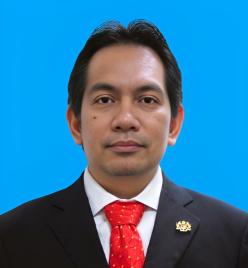
MR. SAFWAN ROSIDY BIN MOHAMMED
DEPUTY DIRECTOR 2 0380902516 safwan.mohammed@ekonomi.gov.my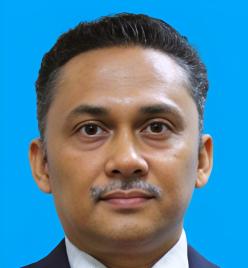
MR. AHMAD AZWAN BIN MEOR HASHIM
PRINCIPAL ASSISTANT DIRECTOR (BIODIVERSITY) 0380902539 azwan.hashim@ekonomi.gov.my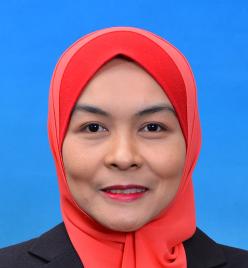
MRS. NOOR HIDAYU BINTI HASHIM
PRINCIPAL ASSISTANT DIRECTOR (SUSTAINABLE CONSUMPTION & PRODUCTION) & ENVIRONMENT 0380902520 hidayu.hashim@ekonomi.gov.my -

MR. ARIFF FARHAN BIN A AZIZ
DEPUTY HEAD UNIT (CCUS COORDINATION UNIT) ariff.aziz@ekonomi.gov.my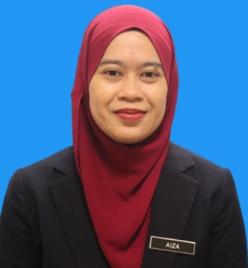
MRS. NIK NOR AIZA BINTI NIK ABDUL AZIZ
PRINCIPAL ASSISTANT DIRECTOR (SUSTAINABLE DEVELOPMENT) 0380902522 aiza.aziz@ekonomi.gov.my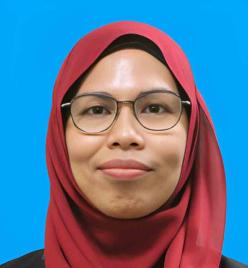
PN. FARHANA BINTI SAHARIL
PRINCIPAL ASSISTANT DIRECTOR (RESOURCES, WATER & LAND) 0380902521 farhana.saharil@ekonomi.gov.my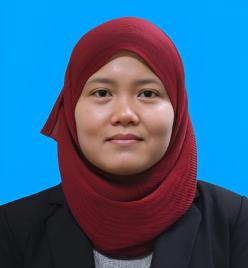
MRS. NURASYIKIN BINTI JA'ALAM
HEAD BUSINESS DEVELOPMENT SECTION (CCUS COORDINATION UNIT) nurasyikin.jaalam@ekonomi.gov.my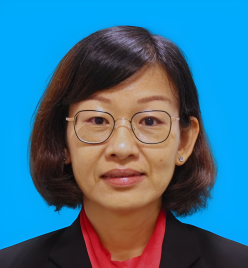
DR. LEE CHIN CHIN
ASSISTANT DIRECTOR (RESOURCES, WATER & LAND) 0380902535 lee.chinchin@ekonomi.gov.my
MRS. IRENE CHUNG
ASSISTANT DIRECTOR (ENVIRONMENT) 0380902523 irene@ekonomi.gov.my -

MRS. MADELINA ANAK COSMAS PANGGIE
ASSISTANT DIRECTOR (RESOURCES, WATER & LAND) 0380902532 madelina.cosmas@ekonomi.gov.my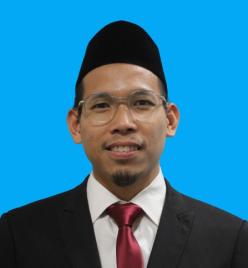
MR. MOHD SYAMIL BIN HAMICHAN
ASSISTANT DIRECTOR (CCUS COORDINATION UNIT) 0380902534 syamil.hamichan@ekonomi.gov.my
MRS. SARAH KHAIRUNISAH BINTI NORHALIM
ASSISTANT DIRECTOR (SUSTAINABLE DEVELOPMENT) 0380902688 sarah.norhalim@ekonomi.gov.my
MR. MUHAMMAD MUSTAQIM SYAMIL BIN SHUIB
ASSISTANT DIRECTOR (BIODIVERSITY) 0380902525 mustaqim.shuib@ekonomi.gov.my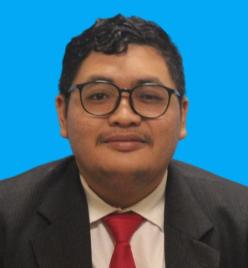
MR. MUHAMMAD NOOR AIMAN BIN AHMAD YANI
PERSONEL MYSTEP 0380902513 aiman.ahmad@ekonomi.gov.my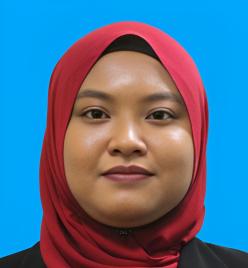
MS. NUR AIDANI BINTI HALIM
PERSONEL MYSTEP 0380902529 nuraidani.halim@ekonomi.gov.my -
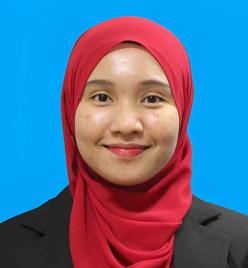
CIK NUR DINI DHIYANA BINTI MUHD FARIZAN
PERSONEL MYSTEP N41 0380902528 dini.farizan@ekonomi.gov.my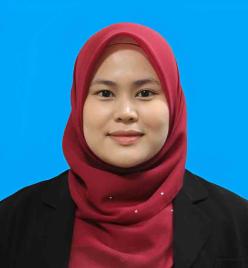
CIK NUR SYAKIRIN BINTI AZIZ
PERSONEL MYSTEP 0380902532 syakirin.aziz@ekonomi.gov.my
MR. MUHAMMAD BURHANUDDEEN BIN MOHAMAD NASIR
PERSONEL MYSTEP N41 0380902690 burhanuddeen.nasir@ekonomi.gov.my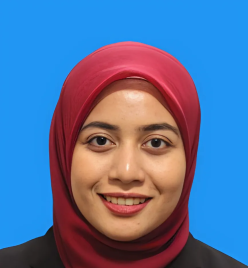
MRS. NOOR HASLINDA BINTI RASIT
ADMINISTRATIVE ASSISTANT 0380902526 haslinda.rasit@ekonomi.gov.my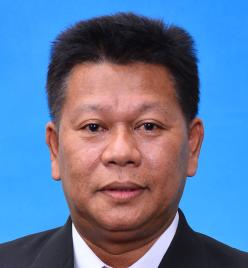
MR. MOHD NOR BIN ABDULLAH
OPERATIONAL ASSISTANT 0380902527 mohdnor.abdullah@ekonomi.gov.my
Contact Us
Director
Environmental Economics and Natural Resources Division
Ministry of Economy
Aras 2, Menara Prisma
No. 26, Persiaran Perdana, Presint 3
Pusat Pentadbiran Kerajaan Persekutuan
62675 W.P Putrajaya
No. Tel. : 03-80902515
Faks : 03-88884323